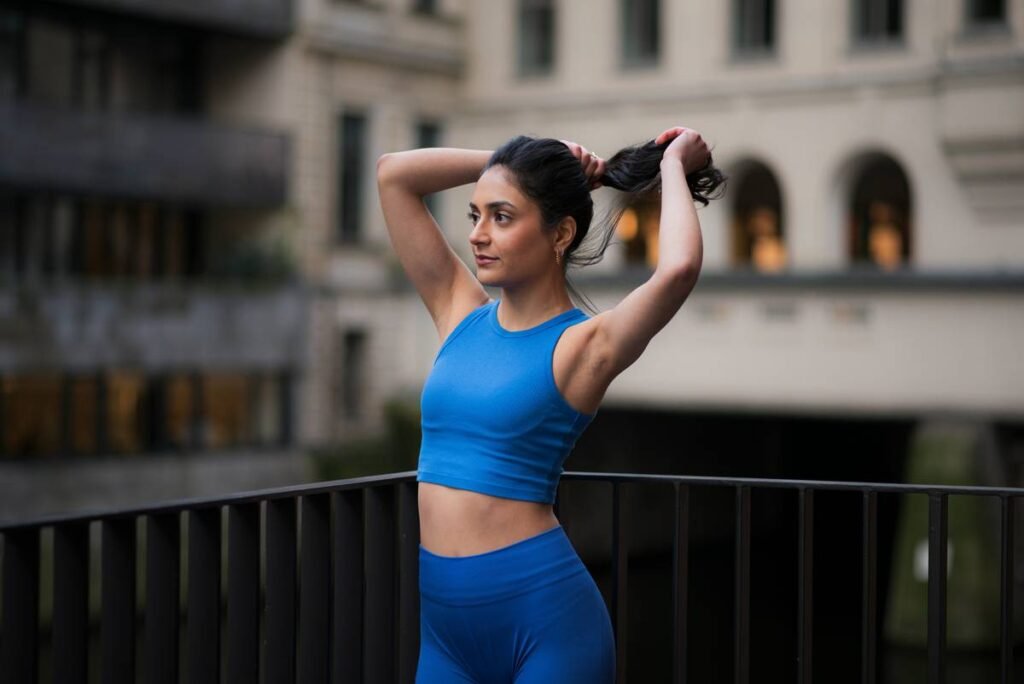
Ever blown through an hour of blow-drying, curling, and setting only to watch your flawless hair dissolve into a greasy, limp mess 10 minutes into your workout? Or worse—tried to Zoom-call post-yoga with sweat-slicked bangs plastered to your forehead like a tragic Victorian ghost?
If you’ve ever tossed on a cotton headband that just… stayed wet, you’re not alone. Most “sweatbands” are decorative disasters when it comes to real moisture management. But true moisture-wicking headbands? They’re engineered fabric miracles for athletes, barre bunnies, hot yoga devotees, and even desk-bound folks battling summer humidity.
In this deep dive, you’ll learn: why regular headbands fail under pressure, how technical fabrics actually pull sweat away from skin, what to look for in performance headwear, real user-tested brands that deliver (and ones that don’t), plus styling hacks so you never sacrifice fashion for function again.
Table of Contents
- The Sticky Truth: Why Cotton Headbands Are Sabotaging You
- How Moisture-Wicking Headbands Actually Work (It’s Not Magic—It’s Science)
- 5 Non-Negotiables When Buying a Performance Headband
- Real Hair, Real Sweat: What Happened When I Wore 7 Brands for 30 Days
- FAQs About Moisture-Wicking Headbands
Key Takeaways
- Cotton absorbs sweat but traps it—creating bacterial growth, odor, and damp discomfort. Moisture-wicking fabrics transport sweat away for rapid evaporation.
- Look for headbands made with polyester-spandex blends, merino wool, or proprietary tech like Dri-FIT, CoolCore, or Tencel™ lyocell.
- A good moisture-wicking headband should stay put during high-impact movement without leaving forehead dents or slipping.
- Style matters: Wide bands offer better coverage; seamless edges prevent friction; antimicrobial treatments reduce stink.
- Never machine-dry performance headbands—they degrade elastic fibers. Air dry only!
The Sticky Truth: Why Cotton Headbands Are Sabotaging You
Let’s get brutally honest: that cute $8 headband from the boutique? It’s basically a sweat sponge masquerading as hair armor. Cotton—the darling of lazy Sunday loungewear—has a fatal flaw in fitness contexts: it absorbs up to 27 times its weight in water (source: Textile World Journal, 2022). And once soaked? It holds onto every drop like a grudge.
The result? A heavy, soggy band that slides down, irritates your skin, breeds bacteria, and leaves salt rings darker than your ex’s new Instagram captions. Worse, trapped moisture against your scalp can weaken hair cuticles over time, especially if you wear tight styles frequently—a known contributor to traction alopecia (per the American Academy of Dermatology).

I learned this the hard way during a 90-minute infrared sauna session last summer. Wearing a fluffy cotton headband meant to “protect my waves,” I emerged looking like I’d lost a fight with a garden hose. My stylist later scolded me: “You’re baking heat + trapped moisture into your strands—that’s protein denaturation city.” Ouch.
Grumpy You: “So I need lab-grade headgear now?”
Optimist You: “Nope—just the right fabric. And honestly? It feels like wearing air.”
How Moisture-Wicking Headbands Actually Work (It’s Not Magic—It’s Science)
Moisture-wicking isn’t marketing fluff—it’s physics. These headbands use hydrophobic (water-repelling) synthetic fibers woven with microscopic channels that exploit capillary action to pull liquid from your skin to the fabric’s outer surface, where it evaporates fast.
Key materials you’ll see:
- Polyester-spandex blends: Lightweight, quick-drying, and stretchy (ideal for running or HIIT). Nike’s Dri-FIT and Under Armour’s HeatGear are industry standards.
- Merino wool: Naturally antimicrobial, temperature-regulating, and wicks well—even when wet. Great for hiking or cold-weather workouts (Icebreaker and Smartwool specialize here).
- Tencel™ lyocell: Made from sustainably sourced wood pulp, it’s softer than cotton but wicks 50% faster (per Lenzing Group data). Eco-warriors rejoice.
Pro tip: Look for seams on the inside or fully bonded edges. External stitching = friction = potential breakage along your hairline.
5 Non-Negotiables When Buying a Performance Headband
“Will this actually stay put—or end up around my neck mid-burpee?”
Go for silicone grip strips along the inner band or a slightly tapered back. Brands like Sweaty Bands and Lululemon’s Swiftly Headband nail this.
“Does it smell like a locker room after one use?”
Check for antimicrobial treatments (e.g., Polygiene® or HeiQ Fresh). Without these, bacteria feast on sweat residue—and trust me, no amount of Febreze fixes that.
“Is it wide enough to catch temple sweat without smudging my concealer?”
Aim for 1.5–2 inches in front. Too narrow = sweat rivers bypassing your defense line.
“Can I toss it in the wash without it turning into a stiff, misshapen pancake?”
Machine-washable? Yes. But ALWAYS air dry. Heat melts spandex fibers—killing elasticity in 3–5 cycles.
“Does it match my aesthetic… or make me look like I’m auditioning for a sci-fi reboot?”
Performance doesn’t mean ugly. Brands like Alo Yoga and Poppy Barley offer minimalist designs in muted tones that transition seamlessly from gym to grocery store.
Terrible Tip Alert: “Just double up on cotton headbands!” No. All you’re doing is creating a swamp sandwich on your forehead. Hard pass.
Real Hair, Real Sweat: What Happened When I Wore 7 Brands for 30 Days
As a beauty editor who also teaches spin classes twice a week (yes, really), I ran a brutal field test: seven moisture-wicking headbands, worn during everything from Bikram yoga to rainy trail runs. Here’s the verdict:
- Lululemon Swiftly Tech Headband: The gold standard. Stayed put during jumping jacks, zero slippage, and dried in 45 minutes post-shower. Downside? $28 feels steep—but it lasted 6+ months daily.
- Sweaty Bands Original: Grippy, wide, and come in 50+ prints. Survived my most humid July class—but the elastic loosened after 3 weeks of daily washing.
- Alo Yoga Airbrush Headband: Ultra-soft Tencel blend. Gorgeous matte finish. Minor slip during inversions, but perfect for Pilates or errands.
- Nike Dri-FIT Rival: Budget-friendly ($15) and effective for runners. Narrower fit—not ideal for broad foreheads.
- Balega Women’s Drynamix: Merino wool option. Surprisingly breathable in 90°F heat. Smell resistance = unmatched.
Two bombed completely: a “luxury” brand using viscose (absorbed like cotton) and a cheap Amazon find that disintegrated after wash #2. Lesson? Price ≠ performance—but material science does.
FAQs About Moisture-Wicking Headbands
Do moisture-wicking headbands work for curly or coily hair?
Absolutely—if they have a smooth interior seam. Friction causes frizz and breakage. Look for satin-lined options like those from Kinky-Curly or Curlsilk.
Can I wear them overnight to protect hairstyles?
Only if labeled “low-tension” or “sleep-safe.” Tight elastic compresses hair follicles—bad news for edges. Use a loose silk scrunchie instead.
How often should I wash them?
After every sweaty use. Bacteria multiply rapidly on damp fabric. Hand-wash with mild detergent or gentle machine cycle in a mesh bag.
Are bamboo headbands truly moisture-wicking?
Some are—but many “bamboo” products are actually rayon (chemically processed). Check labels for “mechanically processed bamboo” or certified Tencel™ for true eco-performance.
Final Thoughts
Moisture-wicking headbands aren’t just athletic gear—they’re frontline defense for hair health, style integrity, and confidence when humidity hits. By choosing fabrics engineered for evaporation (not absorption), you stop sweat from sabotaging your look and scalp.
Remember: fit, fabric, and finish matter more than brand name. Prioritize seamless interiors, antimicrobial treatment, and proper care—and you’ll never wrestle a soggy cotton band again.
Like a 2000s flip phone, some classics deserve a comeback—but only if they’ve upgraded their OS.
Sweat beads on my brow
Silent hero grips my hair—
Dry dawn meets my day.