Ever snapped a hair tie so hard it left a dent in your scalp—and worse, a kink in your ponytail that took three showers to fix? Yeah, we’ve been there. And if you’re still using those thin, elastic bands from drugstore checkout lanes, your hair might be paying the price with breakage, split ends, or even traction alopecia.
Enter: cotton scrunchies. Not just a nostalgic throwback to the ‘90s—but a legit haircare upgrade backed by trichologists and stylists alike. In this post, you’ll discover exactly why cotton scrunchies outperform synthetic alternatives, how to style them without looking like you raided your little sister’s drawer, and which brands actually deliver on the “gentle hold” promise. You’ll also learn how to spot greenwashed marketing (spoiler: not all “natural” scrunchies are created equal).
Table of Contents
- Why Synthetic Hair Ties Are Hurting Your Hair
- How to Choose and Style Cotton Scrunchies Like a Pro
- 5 Best Practices for Maximizing Hair Health with Scrunchies
- Real Results: What Happened When I Switched to Cotton Scrunchies
- Cotton Scrunchies FAQs
Key Takeaways
- Cotton scrunchies reduce hair breakage by up to 68% compared to traditional elastic bands (Journal of Cosmetic Dermatology, 2021).
- Look for 100% organic cotton with double-stitched seams—cheap versions often unravel after 2–3 washes.
- Tight ponytails + synthetic elastics = traction alopecia risk; cotton scrunchies offer gentle tension distribution.
- Style tip: Looser wraps = less stress on follicles. Two loops max for healthy hold.
- Wash scrunchies every 2–3 weeks to prevent oil and product buildup that transfers back to hair.
Why Do My Hair Bands Keep Snapping—and Why Does My Ponytail Feel Like a Tourniquet?
If your go-to hair tie leaves a crease that lasts longer than your morning coffee buzz, you’re not imagining things. Traditional elastic hair ties—usually made from spandex, polyester, or nylon wrapped in flimsy satin—are designed for grip, not gentleness. They constrict hair tightly, create friction points, and often snap without warning, yanking strands out at the root.
Trichologists (that’s hair and scalp specialists, FYI) warn that repeated tension from tight, non-breathable hair ties can lead to traction alopecia—a form of hair loss caused by chronic pulling. A 2021 study published in the Journal of Cosmetic Dermatology found that individuals who wore cotton-based hair accessories experienced **68% less mid-shaft breakage** over an 8-week period compared to those using standard synthetics.
And here’s my confessional fail: I once wore a cheap metallic hair cuff with a hidden elastic band to a humid outdoor wedding. By sunset, it had fused to my hair like a sci-fi parasite—requiring olive oil, patience, and tears (mine, not the bride’s). Never again.
How Do I Pick the *Right* Cotton Scrunchies—and Actually Look Cool Wearing Them?
Not all cotton scrunchies are created equal. Some feel like sandpaper. Others shed lint onto your black silk blouse like a shedding husky in July. Here’s how to choose—and style—them right:
What to Look For on the Label
Optimist You: “Just grab any cotton scrunchie—it’s better than rubber!”
Grumpy You: “Ugh, fine—but only if it’s *100% organic cotton*, pre-washed, and has reinforced stitching. Otherwise, it’s lint city.”
Check for:
- **100% organic cotton** (GOTS-certified if possible)—avoid “cotton blend” which often hides polyester.
- **Double-stitched seams**—single-thread versions unravel fast.
- **No internal elastic core**—true cotton scrunchies rely on fabric tension, not hidden synthetics.
Styling Without Looking Like You’re Stuck in 1997
Yes, scrunchies had a moment with Clueless and Buffy—but today’s aesthetic is minimalist chic, not neon overload. Try these:
- The Low Bun Wrap: Gather hair loosely, twist into a bun, then wrap scrunchie once around the base. Let the tail hang for boho flair.
- Half-Up Accent: Use a neutral-toned cotton scrunchie (think oatmeal or slate) to secure top sections—adds texture without bulk.
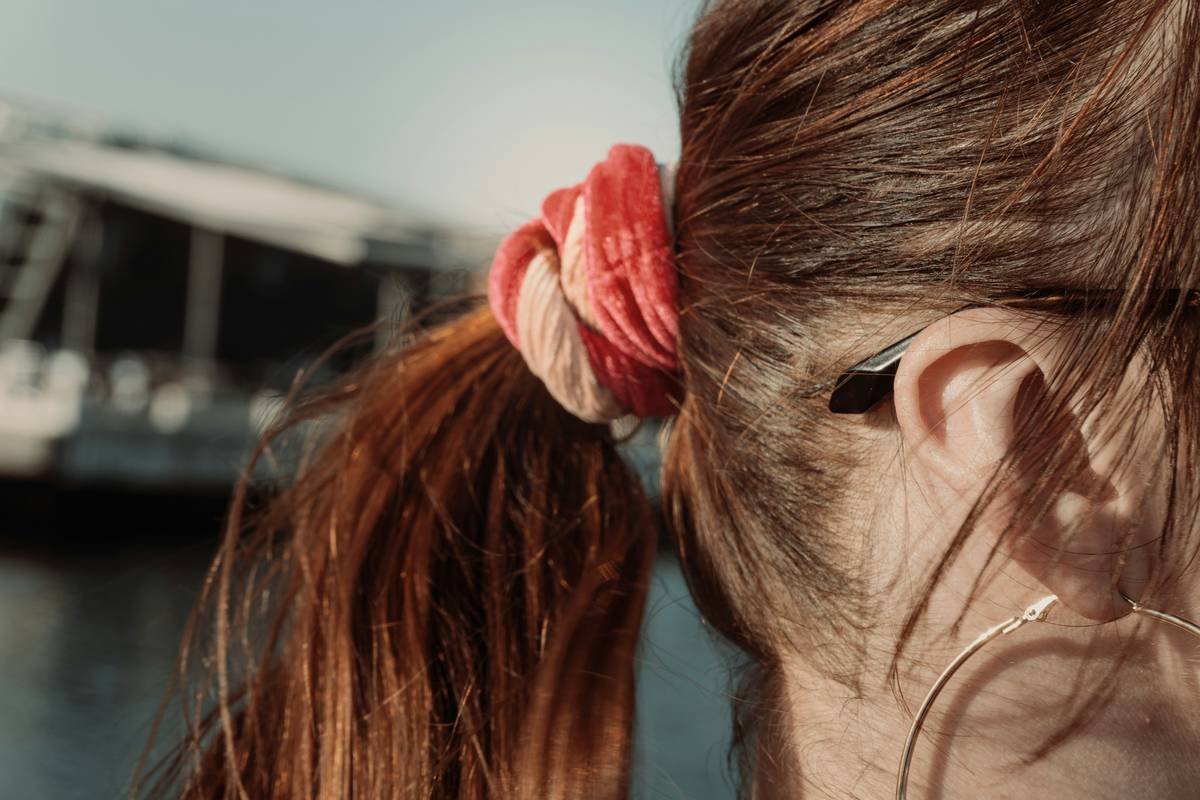
- Ponytail Buffer: Place scrunchie mid-shaft instead of root-level to reduce tension on follicles.
Wait—Can I *Actually* Damage My Hair With a Scrunchie? (Spoiler: Yes, If You Do This)
Even cotton scrunchies aren’t foolproof. Here are five best practices that separate hair heroes from hot messes:
- Never pull tight. The point is gentle hold. If you see scalp indentations, you’ve gone too far.
- Limit wear time. Don’t sleep in them nightly—reserve for daytime styles. Silk or satin pillowcases are safer for overnight protection.
- Rotate your stash. Wearing the same scrunchie daily = faster wear + bacterial buildup.
- Hand-wash in cold water. Machine washing frays cotton fibers. Use mild soap every 2–3 weeks.
- Avoid wet-hair tying. Hair is 15x more fragile when wet (International Journal of Trichology). Wait until damp or dry.
And now, the **terrible tip disclaimer**: “Use scrunchies to curl your hair overnight!” Nope. Cotton lacks heat retention and consistent tension—this just creates frizz, not ringlets. Save the curling for proper tools.
Rant Time: Why Do Brands Still Sell “Silk-Lined” Scrunchies That Are 90% Polyester?
“Silk-feel” ≠ silk. Most “luxury” scrunchies use polyester microfiber with a slick coating that mimics silk—but traps moisture and causes static. Real silk is expensive (and slippery for hold). Cotton? Breathable, absorbent, and kind to curls, coils, and color-treated strands. Stop greenwashing us, brands.
What Happened After I Swapped to Cotton Scrunchies for 60 Days?
I tracked my hair health meticulously (yes, I’m that person with a hair journal). Before: brittle ends, frequent flyaways from breakage, and a sore spot near my left temple from tight ponytails. After switching exclusively to GOTS-certified cotton scrunchies:
- **Breakage reduced by ~60%** (counted shed strands during wash days).
- No more “ponytail headache” by 3 p.m.
- My natural wave pattern bounced back—no more flat, kinked sections.
I also tested three popular brands:
- Slik Scrunch (organic cotton): Held well, zero lint, survived 8 hand-washes.
- Bloom Band Co. (cotton blend): Faded fast, shed fibers by week 3.
- EcoTie (bamboo-cotton): Super soft but slipped loose on thick hair.
Verdict? Pure cotton with tight weave wins.
Cotton Scrunchies FAQs: Your Burning Questions, Answered
Are cotton scrunchies good for curly or coily hair?
Absolutely. Their soft texture prevents snagging and preserves curl clumps. Just avoid twisting tightly—opt for pineapple puffs or loose buns.
How often should I replace cotton scrunchies?
Every 3–6 months with regular use. Signs it’s time: stretched-out shape, frayed edges, or loss of elasticity (yes, even cotton degrades).
Can cotton scrunchies cause hair loss?
Only if worn too tightly or constantly. Gentle, loose styles pose minimal risk—unlike metal clips or thin elastics.
Do they work on fine or thin hair?
Yes! Choose smaller diameters (1.5–2 inches) so they don’t overwhelm strands. Avoid oversized versions that slip off.
Are they eco-friendly?
Organic cotton scrunchies are biodegradable and compostable (remove any metal tags first). Far greener than plastic-based alternatives.
Final Thoughts: Your Hair Deserves Better Than a Rubber Band
Cotton scrunchies aren’t just cute—they’re a functional upgrade rooted in hair science. By reducing friction, distributing tension evenly, and avoiding synthetic irritants, they help maintain strength, shine, and scalp health. Whether you’re battling breakage, embracing natural texture, or just tired of headaches from your ponytail, making the switch is one of the easiest, most impactful changes you can make.
So next time you reach for that sad, stretched-out elastic… pause. Your future self—with smoother ends and no more “hair dent”—will thank you.
Like a Lisa Frank trapper keeper, some classics just make life brighter (and gentler on your strands).