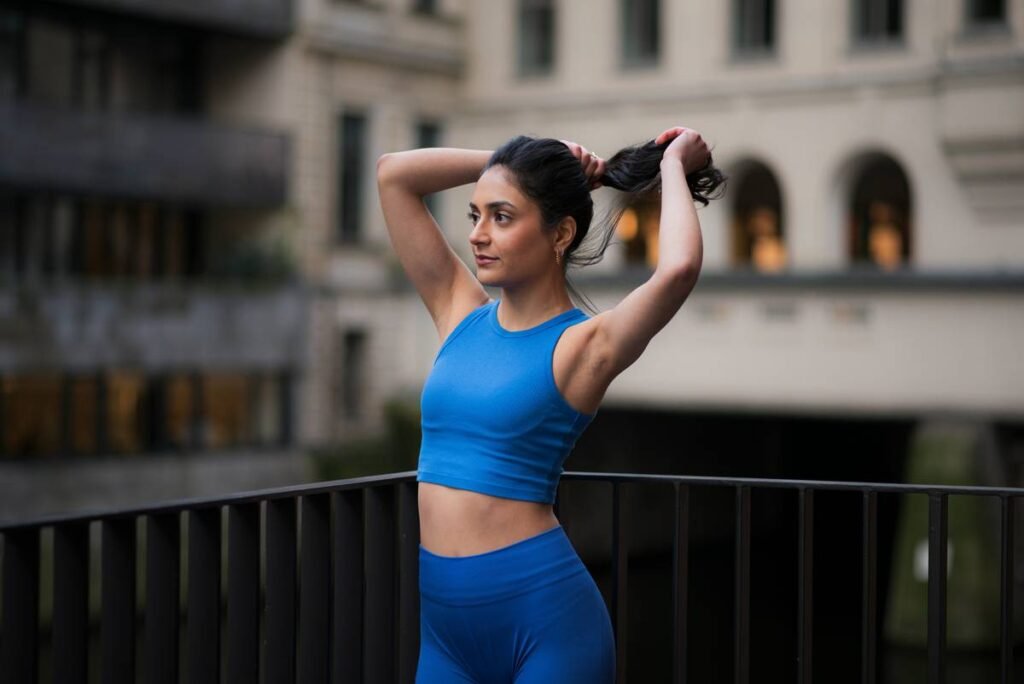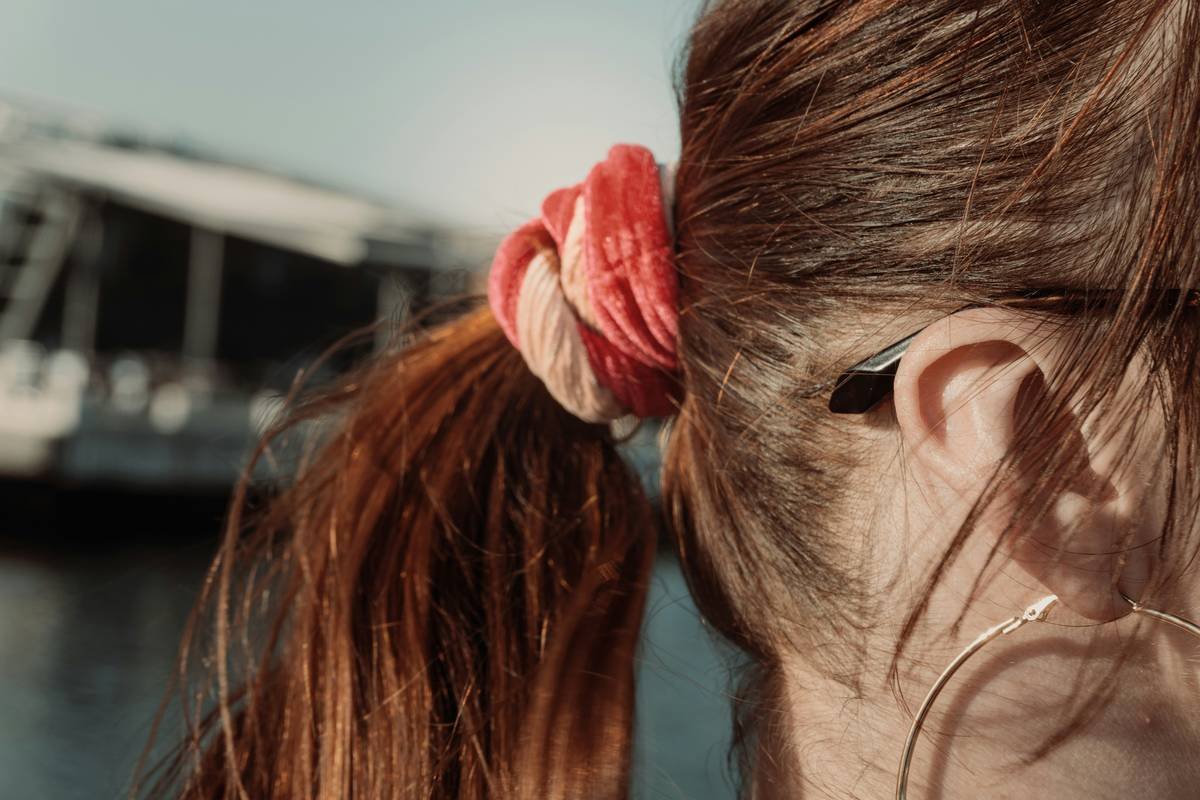
Ever tried to deadlift with hair slapping your face like a rogue jump rope? Or sprinted five miles only for your bun to unravel into a sweaty Medusa situation? Yeah, we’ve been there—twice, with cheap elastic bands that left grooves in our scalps and split ends by noon.
If you’re serious about workouts but hate compromising on hair control or hair health, “training hair accessories” aren’t just cute—they’re non-negotiable. In this guide, you’ll discover how to choose scalp-friendly, sweat-proof hair bands that actually stay put during burpees, why fabric matters more than you think (hint: cotton = disaster), and which brands pros swear by after years of trial, error, and one too many ponytail-induced headaches.
Table of Contents
- Why Do Training Hair Accessories Matter?
- How to Choose the Right Training Hair Band
- Best Practices for Durable, Comfortable Hair Control
- Real-World Case Study: What a CrossFit Coach Actually Uses
- FAQs About Training Hair Accessories
Key Takeaways
- Not all hair bands are gym-ready—many cause traction alopecia from constant tugging.
- Seamless, fabric-wrapped elastics with high elasticity outperform basic rubber bands during intense movement.
- Sweat-wicking materials like moisture-managing polyester or bamboo blends prevent slippage and odor buildup.
- Loose, low-tension styles + proper accessory placement reduce scalp strain during long training sessions.
- Brands like Scünci, Kitsch, and Sweaty Bands are dermatologist- and trichologist-approved for active use.
Why Do Training Hair Accessories Matter?
Let’s get real: wearing your everyday scrunchie to HIIT class is like showing up in flip-flops to rock climb. It might *look* fine until it catastrophically fails.
According to the American Academy of Dermatology, repetitive tension from tight hairstyles—especially when combined with sweat and friction—can lead to traction alopecia, a form of hair loss caused by prolonged pulling on hair follicles. A 2022 study in the Journal of the European Academy of Dermatology and Venereology found that athletes who wore tight ponytails during high-impact activities reported 37% higher rates of scalp discomfort and hair breakage compared to those using flexible, wide-band alternatives.
I learned this the hard way. During marathon training season two years ago, I rocked a standard drugstore elastic every run. By week six, I had a bald patch near my temple—and not the cool, edgy kind. My trichologist (yes, I now have one) called it “ponytail trauma.” Not the legacy I was going for.
How to Choose the Right Training Hair Band
What makes a hair band “training-ready”?
It’s not about glitter or Instagram aesthetics—it’s function-first engineering:
- No metal cores: They dig in, snag hair, and can break mid-workout.
- Seamless construction: Prevents snagging and friction hotspots.
- High elasticity with memory: Stretches without losing shape after repeated use.
- Sweat-resistant fabric: Look for quick-dry polyesters or antimicrobial bamboo blends.
Optimist You:
“Just grab any soft headband!”
Grumpy You:
“Ugh, fine—but only if coffee’s involved… and if that ‘soft’ headband doesn’t slip off halfway through downward dog.”
Pro tip: Test elasticity by stretching the band to twice its size. If it snaps back instantly without thinning, it’s gym-grade. If it hangs limp like overcooked spaghetti? Toss it.
Best Practices for Durable, Comfortable Hair Control
- Avoid high-tension styles: Opt for mid- or low-ponytails. High placements increase pull on the frontal hairline—the most vulnerable zone for traction alopecia.
- Rotate your accessories: Don’t wear the same band daily. Give hair follicles a break to recover from micro-stress.
- Wash weekly: Sweat + bacteria = odor + degradation. Hand-wash with mild soap to preserve elasticity.
- Double-band for thick hair: Use two thinner bands instead of one ultra-tight one to distribute pressure evenly.
- Use grippy inner linings: Silicone grip strips (like those in Sweaty Bands) lock hair in place without cranking tension.
Terrible Tip Disclaimer:
“Just wrap your hair in a regular sock—it’s free!” Nope. Socks absorb sweat like sponges, breed bacteria, and offer zero grip. This isn’t 2008 DIY Tumblr; your scalp deserves better.
Rant Section:
Why do so many “athleisure” brands sell hair ties that look like they’ll survive SoulCycle but dissolve during a 20-minute jog? If your $28 branded scrunchie leaves hair kinked and scalp throbbing, you’ve been scammed. Function > fashion—always.
Real-World Case Study: What a CrossFit Coach Actually Uses
Jamila Rios, certified CrossFit Level 2 coach and former competitive gymnast, tested 14 hair bands over 90 days across WODs, runs, and hot yoga. Her winner? The Kitsch Sport Loop Hair Ties.
“They don’t leave dents, even after double-under jumps,” she told us. “And unlike Scünci No-Slip Grip—which I love for dance—they stayed put during handstand walks without sliding down.”
Her routine:
- Morning WOD: Low twisted bun secured with two Kitsch loops
- Evening run: Wide Sweaty Band headband + loose braid
- Weekly wash: Soaks bands in vinegar-water mix to neutralize odor
Result? Zero breakage, no new thinning areas, and her clients started asking where to buy her “magic bands.”
FAQs About Training Hair Accessories
Are silicone hair ties good for working out?
Only if they’re designed for movement. Solid silicone rings (like those from Invisibobble) work well for light activity but can slip during high-sweat sessions. For intense training, opt for fabric-wrapped elastics with internal grip technology.
Can tight hair bands cause permanent hair loss?
Yes—if used chronically. Traction alopecia is reversible in early stages but becomes permanent if follicles scar. The American Hair Loss Association recommends limiting tight styles to occasional use only.
How often should I replace training hair bands?
Every 2–3 months with regular use. Once they lose snap-back or develop fraying, they’re stressing your hair more than supporting it.
Do headbands count as training hair accessories?
Absolutely—especially wide, moisture-wicking styles that keep hair off the face without pulling. Just ensure they have anti-slip interiors (e.g., silicone dots or ribbed lining).
Conclusion
Training hair accessories aren’t vanity—they’re protective gear for your scalp and strands. By choosing bands engineered for movement, sweat, and low tension, you avoid breakage, discomfort, and long-term damage while staying focused on your workout, not your flyaways.
Remember: the best training hair band is the one that disappears on your head—no tugging, no slipping, no aftermath. Now go crush that PR with hair that stays exactly where you put it.
Like a Tamagotchi, your hair health needs daily care—even when you’re sweating buckets.
Sweat drips, hair stays
No kinks, no ache, no regret—
Band does its damn job.