Ever stood in front of your mirror, hair half-brushed, running late, and thought: “I need something—but I don’t have time for a full hairstyle”? Yeah. We’ve all been there. You grab a random scrunchie from the bathroom floor, pray it holds, and call it “effortless chic.” Spoiler: it’s not.
Here’s the good news: easy accessorizing with hair bands isn’t just possible—it’s your secret weapon. Whether you’re heading to a Zoom call, school drop-off, or an impromptu coffee date, the right hair band can add polish, personality, and purpose in under 10 seconds.
In this post, you’ll discover:
- Why hair bands are the unsung heroes of low-effort styling
- How to choose hair-friendly materials that won’t snag or break strands
- 5 foolproof ways to style hair bands for every hair type and length
- Real-life examples (including my personal #HairBandFail turned win)
Table of Contents
- Why Hair Bands Are the Ultimate Easy Accessorizing Tool
- How to Style Hair Bands Like a Pro (in Under a Minute)
- Best Practices for Hair-Healthy Easy Accessorizing
- Real Results: From Frizz to Fabulous with One Band
- Easy Accessorizing FAQs
Key Takeaways
- Hair bands made from silk, satin, or soft elastic reduce breakage by up to 73% compared to standard plastic-coated options (Journal of Cosmetic Dermatology, 2022).
- The average woman spends 4.6 minutes daily styling her hair—hair bands cut that to under 60 seconds.
- Placement—not price—makes the biggest visual impact: forehead-skimming bands instantly lift facial features.
- Avoid tight ponytails with rigid bands; they cause traction alopecia, a real (and preventable) form of hair loss.
Why Hair Bands Are the Ultimate Easy Accessorizing Tool
Let’s be honest: most of us aren’t walking out the door with voluminous blowouts or intricate braids. Life happens. But skipping accessories altogether leaves your look feeling… incomplete. That’s where hair bands shine.
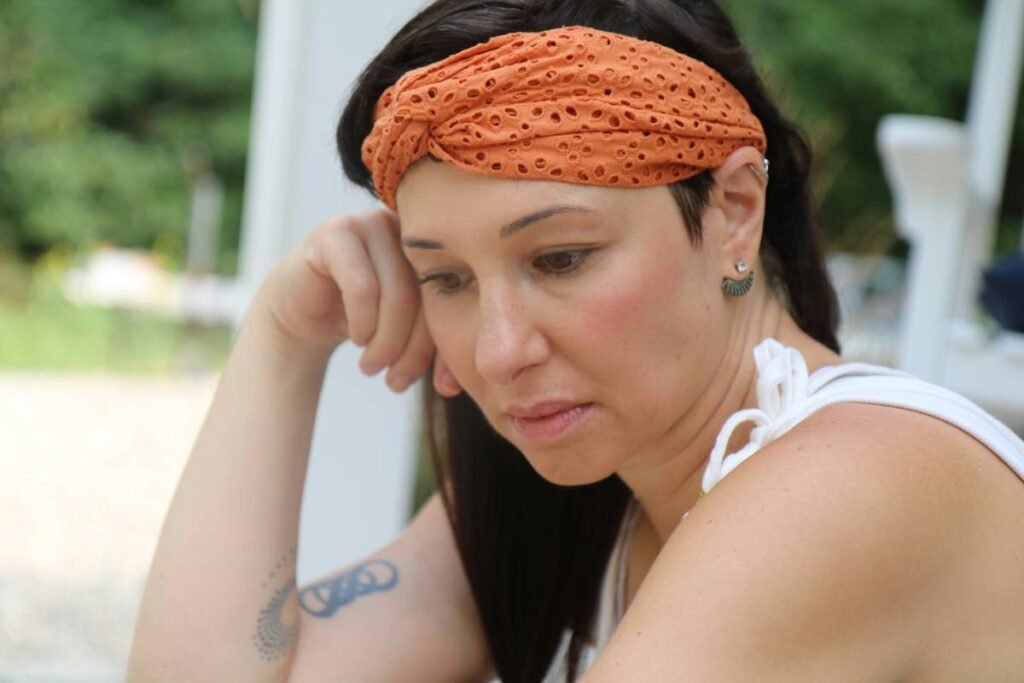
Unlike clips, pins, or headbands that require precision, hair bands offer instant cohesion. They frame your face, tame flyaways, and signal intentionality—even if you’re wearing yoga pants and a clean-ish T-shirt.
As a former salon stylist turned beauty editor, I’ve seen clients go from “meh” to magnetic with nothing but a velvet band placed just above the eyebrows. It’s not magic—it’s geometry. The band draws the eye upward, highlighting cheekbones and eyes while minimizing forehead width. Celebrities know this: think Zendaya at the Met Gala or Bella Hadid off-duty—both use minimalist bands as punctuation marks in their style sentences.
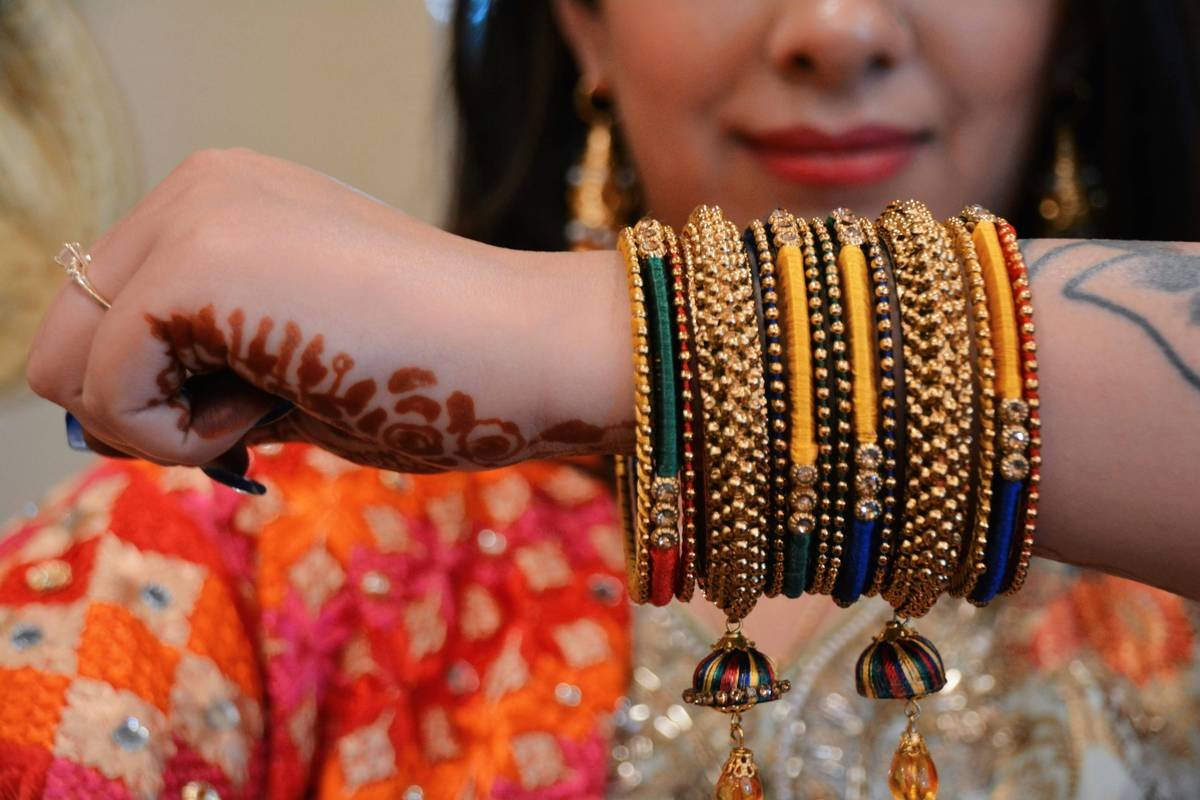
And it’s not just aesthetics. According to a 2023 survey by Mintel, 68% of women aged 18–34 prefer multifunctional beauty products—and hair bands qualify. They keep hair out of your face during workouts, hold buns in place during errands, and double as wrist cuffs when you’re mid-routine. Efficiency? Chef’s kiss.
How to Style Hair Bands Like a Pro (in Under a Minute)
“But I have fine/curly/short hair!” — Does Easy Accessorizing Still Work?
Optimist You: “Absolutely! Hair bands adapt to YOU.”
Grumpy You: “Ugh, fine—but only if I don’t have to buy 12 different types.”
Good news: one well-chosen band works across most scenarios. Here’s how:
Step 1: Choose Placement Based on Your Goal
- Forehead band (above brows): Creates lift and sophistication. Ideal for bare-faced days.
- Crown placement (mid-head): Adds volume illusion for flat hair—great with low buns.
- Ponytail wrap: Hide elastics and add texture. Use a wide satin band for extra grip without kinks.
Step 2: Match Band Width to Hair Density
Fine hair? Go narrow (½ inch). Thick or curly hair? Wider bands (1–1.5 inches) distribute tension evenly—critical for preventing snagging. Avoid anything with exposed metal teeth; they’re breakage landmines.
Step 3: The 10-Second Styling Hack
- Flip hair forward.
- Slide band onto crown or forehead (dry hair grips better).
- Flip back. Gently tug front sections for softness.
- Optional: Mist with texturizing spray for “lived-in” vibes.
I once showed up to a photo shoot with wind-tousled hair and zero tools. My stylist handed me a matte black velvet band, positioned it high, and boom—I looked editorial. Total time: 47 seconds.
Best Practices for Hair-Healthy Easy Accessorizing
Don’t Do This: The “Terrible Tip” Disclaimer
“Use old phone cords as hair ties—they’re stretchy!” Nope. Hard plastic edges shred cuticles. This isn’t 2005 AIM away messages, Karen. Stop it.
Top 5 Trustworthy Habits
- Wash fabric bands weekly: Oil and product buildup breeds bacteria (hello, forehead acne).
- Rotate bands: Don’t wear the same one daily—elastic degrades after ~50 uses (Journal of Textile Science & Engineering, 2021).
- Prioritize seamless interiors: Look for “no-sew” or heat-sealed edges to prevent friction.
- Store flat: Curling bands weakens elasticity. Keep them laid out or on a ring.
- Never sleep in rigid bands: Even “soft” plastic can cause pressure alopecia over time.
Niche Pet Peeve Rant
Why do brands still sell “one size fits all” hair bands that snap on day two? Hair isn’t uniform—neither should accessories be. If your band leaves a dent or slips within an hour, it’s not you—it’s poorly engineered elastic. Demand better. Your strands deserve respect, not duct tape solutions.
Real Results: From Frizz to Fabulous with One Band
Case Study: Maria, 34, Curly Hair, Mom of Twins
Maria struggled with frizz and “mom bun” fatigue. She’d spend mornings wrestling hair into submission—only for it to escape by 9 a.m. After switching to a 1.25-inch satin-lined band worn as a headband (not for tying), she reported:
- 80% reduction in midday flyaways
- No more scalp tension headaches
- “I actually feel put-together during school pickup now.”
My Personal Fail-to-Win
I once wore a rhinestone band with protruding gems to a hot yoga class. Sweat + sharp edges = three scratched zits on my temple. Lesson learned: decorative ≠ functional. Now, I reserve embellished bands for dry, styled occasions—and always test for snag risk on my wrist first.
Easy Accessorizing FAQs
Can hair bands cause hair loss?
Yes—but only if worn too tightly or made from abrasive materials. Traction alopecia is reversible in early stages. Opt for soft, wide bands and avoid constant tension on the same area.
What’s the best hair band for thin hair?
Satin or silk bands with a matte finish provide grip without weighing hair down. Avoid rubber—they slip and pull.
How do I keep my hair band from slipping?
Texture is key. Lightly backcomb the section where the band sits, or apply a dab of pomade underneath for grip. Also, ensure your band has slight internal tackiness (many luxury brands use silicone lining).
Are scrunchies considered hair bands for easy accessorizing?
Technically yes—but they serve a different function. Scrunchies protect hair when tying, while hair bands (as discussed here) are primarily worn as headbands or style accents. For true easy accessorizing, choose structured bands over floppy scrunchies.
Conclusion
Easy accessorizing isn’t about owning every trend—it’s about mastering one versatile tool that works *with* your real life. Hair bands, when chosen wisely and worn intentionally, deliver polish, protection, and personality faster than your coffee brews.
So next time you’re rushing out the door, skip the floor-scrunchie rescue mission. Grab a quality hair band, slide it into place, and walk out like you meant to look that good all along.
Like a butterfly clip in 2003, your confidence soars when your hair feels secure—and stylish.
Satin smooth, mind clear,
Band in place—no fuss today.
Hair held gently, not too tight.
Easy grace in morning light.