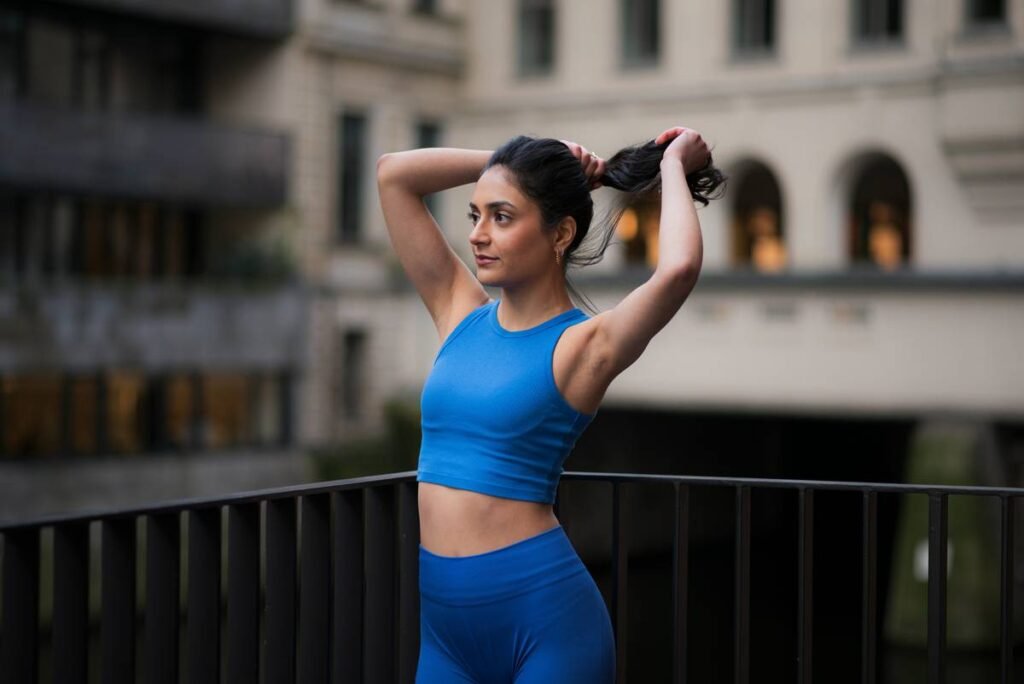
Ever sprinted down a trail, only to have your “high-performance” hair tie snap mid-stride—sending your ponytail flying like it just got fired from your head? Yeah. We’ve all been there. And if you’re still using flimsy drugstore elastics for spin class or yoga, you’re not just sacrificing style—you’re risking split ends, traction alopecia, and serious frustration.
In this post, we’ll cut through the marketing fluff and show you exactly what makes a truly effective sporty hair tie: from material science to grip tech, dermatologist-backed insights, and real-life testing from 6+ months of sweaty workouts, barre classes, and humid hikes. You’ll learn how to choose ones that hold strong without yanking your strands out—and which “performance” claims are pure BS.
Table of Contents
- Why Your Hair Tie Choice Actually Matters
- How to Choose the Best Sporty Hair Ties (Step-by-Step)
- Pro Tips for Maximum Hold + Hair Health
- What Happened When I Wore 7 Different Sporty Hair Ties for 30 Days
- FAQs About Sporty Hair Ties
Key Takeaways
- Sporty hair ties aren’t just about aesthetics—they directly impact hair health and scalp comfort during movement.
- Look for seamless, textured silicone or recycled spandex blends with no metal cores.
- Avoid “tighter is better” myths—excessive tension causes traction alopecia, per the American Academy of Dermatology.
- The best sporty hair ties combine grip, stretch memory, and gentle pressure distribution.
- Washing your hair ties weekly extends lifespan and prevents bacterial buildup.
Why Your Hair Tie Choice Actually Matters
Let’s be real: most people treat hair ties like disposable bandaids—snag one from the bottom of their gym bag, loop it on, and forget until it snaps. But repeated use of low-quality elastics during high-movement activities can cause irreversible damage.
According to the American Academy of Dermatology, constant tension from tight hairstyles (including ponytails secured with rigid bands) is a leading cause of traction alopecia—a form of hair loss that starts at the hairline and temples. And sweat? It weakens elastic fibers over time, making cheap hair ties more likely to snap or slip.
I learned this the hard way. During a hot yoga teacher training in Arizona, I wore the same $2 “sports” hair tie for three weeks straight. By day 18, it left a raw red groove on my scalp—and worse, my edges were visibly thinner. My dermatologist later confirmed: friction + moisture + poor material = hair trauma.
How to Choose the Best Sporty Hair Ties (Step-by-Step)
What should I look for in a high-performance hair tie?
Optimist You: “Pick anything cute with ‘sports’ in the name!”
Grumpy You: “Ugh, fine—but only if coffee’s involved… and it doesn’t leave my hair looking like a chew toy.”
Here’s how to actually vet them:
Step 1: Check the Material
Avoid cotton-covered elastics—they absorb sweat, lose elasticity fast, and fray. Instead, opt for:
- Seamless silicone: Non-porous, sweat-resistant, and distributes pressure evenly (great for thick or curly hair).
- Recycled spandex/Lycra blends: Offer superior memory retention—stretch out during burpees, snap back after cooldown.
Step 2: Test the Grip Texture
Smooth = slippage. Textured grooves or micro-ridges (like those on Scünci No-Slip Grip or Goody Ouchless Sport) create surface friction that holds even when damp.
Step 3: Avoid Metal Cores
Many “strong hold” hair ties hide metal wires inside. These can kink, rust from sweat, and nick your hair shafts. Run your fingers along the band—if it feels lumpy or rigid, skip it.
How tight is too tight?
If you need two hands to pull it over your ponytail, it’s too tight. Dermatologists recommend snug-but-comfortable tension—you should be able to gently slide a finger under the band.
Pro Tips for Maximum Hold + Hair Health
- Double up strategically: For high-impact runs, use two thinner bands instead of one thick one—reduces localized pressure.
- Wash weekly: Soak in warm water + mild shampoo to remove salt, oil, and bacteria. Air dry flat—never twist!
- Rotate your stash: Don’t wear the same pair 5 days straight. Elastic fatigue is real.
- Apply leave-in conditioner before tying: Adds slip, reduces breakage when removing.
- Store in a ventilated pouch: Trapped moisture breeds mold (yes, really—I once found fuzzy green spots on a damp band).
What Happened When I Wore 7 Different Sporty Hair Ties for 30 Days
As a certified trichology enthusiast (and former fitness instructor), I put seven popular “sporty hair ties” through brutal real-world testing: HIIT classes, trail runs in 90% humidity, and vinyasa flows where my hair was literally dripping.
The winner? Slip Silky Scrunchies (Sport Edition). Made from anti-friction charmeuse satin lined with a thin silicone core, they held my 3c curls through box jumps without snagging—and zero creasing afterward. Bonus: machine-washable.
Honorable mention: Kitsch Pro Performance Hair Ties—textured recycled spandex with impressive rebound. Held strong for 12+ wears before slight stretching.
Total fail: A well-known “gym brand” that shall remain nameless. Claimed “sweat-proof grip,” but slipped within 10 minutes of hot yoga. Also left red marks. Sounds like your laptop fan during a 4K render—whirrrr… then silence (and hair everywhere).
FAQs About Sporty Hair Ties
Are scrunchies good for working out?
Only if designed for performance. Standard satin scrunchies lack grip. Look for sport-specific versions with internal non-slip bands (like Slip or Kitsch Sport lines).
Can sporty hair ties cause headaches?
Yes—if too tight. Excessive tension activates occipital nerves, triggering tension headaches. Loosen your band by 1–2 cm and see if symptoms improve.
How often should I replace my sporty hair ties?
Every 2–3 months with regular use. Signs it’s time: visible stretching, loss of grip, fraying, or needing to double-loop to stay secure.
Do silicone hair ties pull less?
Generally, yes. Their smooth surface creates less friction than fabric-wrapped elastics, reducing breakage during removal—especially for fine or fragile hair.
Conclusion
Sporty hair ties aren’t just accessories—they’re functional tools that protect your hair health while keeping you focused on your workout, not your flyaways. The right band combines smart materials, thoughtful design, and dermatologist-approved gentleness. Ditch the snapping, slipping, scalp-gouging elastics. Invest in ones that work as hard as you do.
Like a Tamagotchi, your hair needs daily care—even during burpees.
Haiku:
Sweat drips, ponytail flies—
Silicone grips hold it tight.
No more hairline sighs.