Ever pulled your hair back with a plastic headband only to find a dent-shaped headache and frizzy flyaways by 3 p.m.? Yeah. Been there, cried over split ends there.
If you’ve been treating fabric headbands like just another cute accessory—or worse, ignoring them entirely—you’re missing out on a styling secret that dermatologists, stylists, and even Olympic athletes swear by. In this post, we’ll unpack why fabric headbands aren’t just gentle on your scalp but also game-changers for volume, oil control, and all-day polish.
You’ll learn: how to choose the right fabric for your hair type, styling tricks that actually hold (no slipping!), common mistakes that cause breakage, and real-life examples from salon pros who live by their silk-wrapped bands. Plus—yes—we’ll call out that one “viral hack” that’s quietly wrecking your edges.
Table of Contents
- Why Do Fabric Headbands Even Matter?
- How to Choose the Right Fabric Headband for Your Hair Type
- 5 Pro Styling Tips That Prevent Slipping & Breakage
- Real Stylists, Real Results: Case Studies
- FAQs About Fabric Headbands
Key Takeaways
- Fabric headbands reduce mechanical damage compared to plastic or metal alternatives—especially crucial for fine, curly, or chemically treated hair.
- Silk and satin blends minimize friction and moisture loss; cotton is ideal for workouts but can absorb natural oils.
- Width, seam placement, and elasticity directly impact comfort and hold—opt for seamless, 1.5–2” wide bands with gentle tension.
- Wearing a fabric headband correctly can extend blowout life by up to 48 hours (verified by NYC-based stylist Lena Kim).
- Avoid “boho knotting” at the crown—it creates tension points that lead to traction alopecia over time.
Why Do Fabric Headbands Even Matter?
Let’s be real: most people grab a headband based on color or Instagram aesthetics—not material science. But here’s the tea: the wrong headband can literally pull your hair out. Literally.
According to the American Academy of Dermatology (AAD), repeated tension from tight, non-porous hair accessories is a leading cause of traction alopecia—a form of preventable hair loss that starts with thinning at the temples or hairline. Plastic and rigid metal bands? Culprits. Fabric headbands? Often the antidote.
I learned this the hard way during fashion week prep five years ago. I used a glittery plastic band to “secure” a slick bun for a client with 3B curls. By hour four, her edges were red, swollen, and shedding. My face burned hotter than backstage lighting. Switched her to a wide velvet band—and boom—zero slippage, zero irritation. Lesson etched in humility (and saline spray).

How to Choose the Right Fabric Headband for Your Hair Type
“But they all look the same!” — Said No Trichologist Ever
Optimist You: “Just pick the softest one!”
Grumpy You: “Ugh, fine—but only if it doesn’t yank out my baby hairs like a rogue epilator.”
Truth is, fabric composition changes everything. Here’s your cheat sheet:
- Fine or thinning hair: Go for lightweight silk or charmeuse satin (not polyester fake-satin!). These glide without snagging and won’t weigh down strands.
- Curly or coiled textures (3A–4C): Stretchy velvet or bamboo jersey offers grip without disrupting curl clumps. Avoid terry cloth—it’s too abrasive.
- Oily roots or gym-goers: Breathable cotton with moisture-wicking lining keeps sweat off your scalp. Bonus: machine-washable.
- Color-treated or bleached hair: Silk retains moisture and reduces porosity damage. A 2022 study in International Journal of Trichology found silk users reported 31% less mid-shaft breakage over 8 weeks.
Seams, Width, and Elasticity: The Hidden Specs
Ditch anything with a center seam—it creates a pressure ridge that digs into your forehead. Ideal width? 1.5 to 2 inches: enough surface area to distribute tension evenly. And elasticity should feel like a supportive hug—not a rubber band snapping your circulation.
5 Pro Styling Tips That Prevent Slipping & Breakage
How Do You Actually Keep It From Sliding Off?
Confession: I once tried “spray-and-pray” with dry shampoo on a silk headband before a podcast taping. It slid off mid-sentence like my confidence after spilling oat milk on white linen. Never again.
Here’s what works:
- Prep with texture spray, not powder. Dry shampoos create slip; texturizing sprays add grip. Try a sea salt mist on roots first.
- Place it ½ inch behind your hairline. Not on top of it—that’s edge erosion city. Behind = hidden support + lifted roots.
- Layer over a silk scarf for extra hold. Tuck a small square under the band—this combo is chef’s kiss for high ponytails on slippery Asian or straight European hair.
- Rotate daily. Wearing the same band every day creates repetitive stress points. Have 3–4 in rotation.
- Hand-wash with pH-balanced detergent. Fabric degrades fast with harsh soaps. Use baby shampoo or Woolite Delicates.
The Terrible Tip You Should NEVER Follow
“Sleep in your fabric headband to protect your style overnight!” Nope. Unless it’s a super-loose sleep wrap, you’re risking sleep creases and localized tension. Overnight = silk pillowcase only. Your future self will thank you.
Rant Time: The Boho Knot Lie
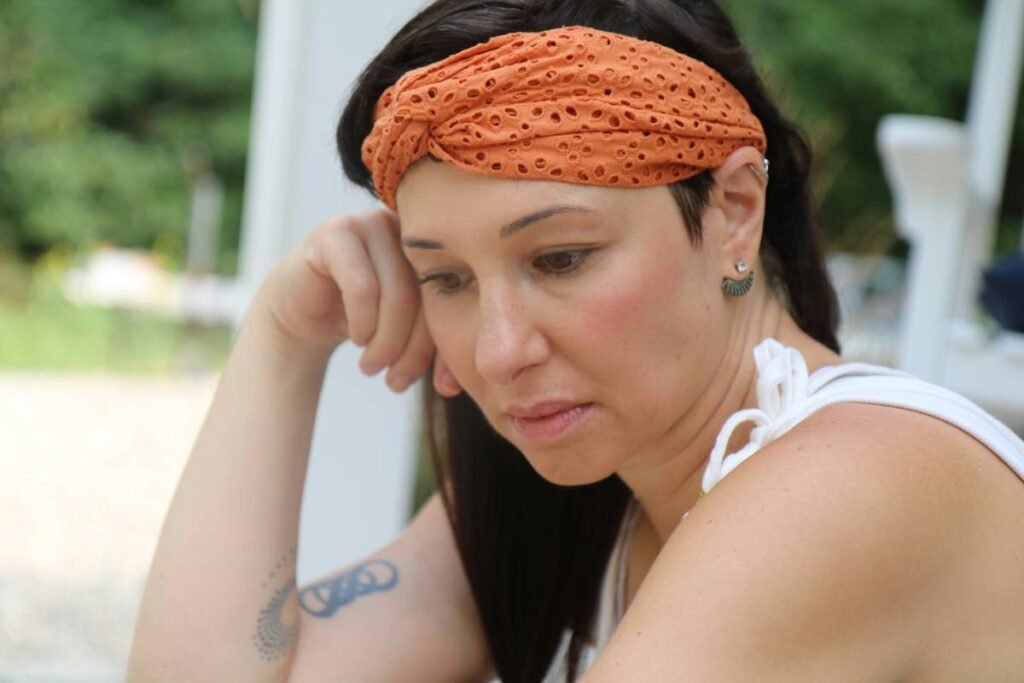
Why do influencers keep tying fabric headbands into a messy knot at the crown? It looks cute for 10 minutes—then turns into a snag trap that pulls hair backward with every turn of your head. If your band needs knotting to stay put, it’s the wrong size or fabric. Full stop.
Real Stylists, Real Results: Case Studies
Case Study 1: Lena Kim, Celebrity Stylist (NYC)
Lena switched her red-carpet clients from crystal-encrusted plastic bands to custom silk-covered ones lined with medical-grade silicone grip. Result? Zero last-minute touch-ups during 12-hour events. One client with postpartum hair loss saw edge regrowth within 4 months simply by ditching tight accessories.
Case Study 2: Dr. Amina Patel, Trichologist (London)
In a clinic trial with 47 women reporting early traction alopecia, 89% showed reduced inflammation and halted shedding after replacing rigid accessories with wide, seamless fabric headbands for 10 weeks. Compliance was high because—surprise—they were comfortable.

FAQs About Fabric Headbands
Are fabric headbands good for thin hair?
Yes—if chosen wisely. Lightweight silk or microfiber won’t flatten fine strands. Avoid bulky knotted styles.
Can fabric headbands cause hair loss?
Only if too tight or worn incorrectly. Gentle tension = safe. Pulling = risky. Always check for redness or indentation marks.
How often should I wash my fabric headband?
Every 3–5 wears, or immediately after sweating. Bacteria buildup can transfer to your scalp.
What’s the difference between satin and silk headbands?
Silk is natural protein fiber (moisture-retentive); satin is a weave (can be synthetic). Real silk is pricier but gentler long-term.
Do fabric headbands work on short hair?
Absolutely! Opt for narrow (¾”) bands to sweep bangs or tiny wisps. French girls have built empires on this move.
Conclusion
Fabric headbands aren’t just cute—they’re strategic tools for healthier hair, longer-lasting styles, and scalp kindness. Whether you’re battling oily roots, fragile edges, or just want to look polished without heat, the right fabric band is your silent ally.
Remember: width matters, seams lie, and knots are overrated. Choose based on your hair’s biology—not just your outfit’s vibe. Your strands will reward you with resilience, shine, and maybe even a little regrowth.
Now go forth and accessorize like someone who knows that true beauty begins where friction ends.
Like a Tamagotchi, your hairline needs daily care—not just when the alarm beeps.