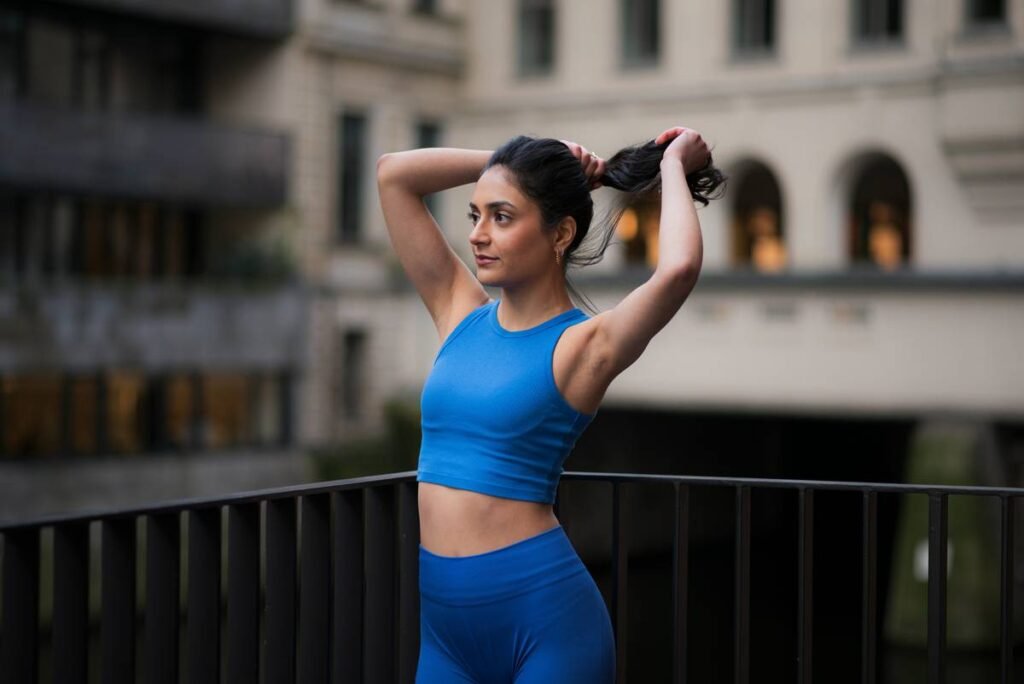
You’re mid-set. Sweat dripping. Heart pounding. And then—your hair slips loose. Again. Flimsy elastics, trendy scrunchies, even those “sporty” headbands from big-box stores? They all fail when your workout hits peak intensity. The real issue isn’t your technique—it’s your hairband. You need something engineered for motion, moisture, and muscle. Enter high-intensity hair bands: purpose-built accessories that stay locked in place no matter how hard you push.
The Core Problem: Why Standard Hair Ties Collapse Under Pressure
Most “athletic” hair bands are just fashion items with a sweat-wicking label slapped on. They stretch out after one HIIT session. They dig into your scalp during burpees. They leave creases or snap without warning. And cotton? Absorbs sweat like a sponge—then adds weight, drag, and slippage.
Here’s the reality: if your hair moves independently of your head during sprints or box jumps, you’re fighting physics—not just fatigue. That micro-drag creates distraction, discomfort, and even neck strain over time.
How to Choose & Use High-Intensity Hair Bands Like a Pro
Material Matters More Than You Think
Forget polyester blends masquerading as performance fabric. Look for seamless, thermoplastic polyurethane (TPU) or medical-grade silicone cores wrapped in moisture-wicking mesh. These materials resist deformation—even after 100+ stretches.
Tension vs. Comfort: The Goldilocks Zone
Too tight? Headaches and hair breakage. Too loose? You’re back to square one. The ideal high-intensity hair band applies consistent, distributed pressure—like a compression sleeve for your ponytail. Test by shaking your head violently. If it doesn’t budge, you’ve nailed it.
Width and Grip: Not Just Aesthetics
Narrow bands concentrate pressure. Wide ones (¾ inch or more) spread load evenly across hair follicles. Add textured inner grips—micro-silicone dots or laser-etched patterns—and you’ve got friction where it counts. No glue. No clips. Just intelligent geometry.
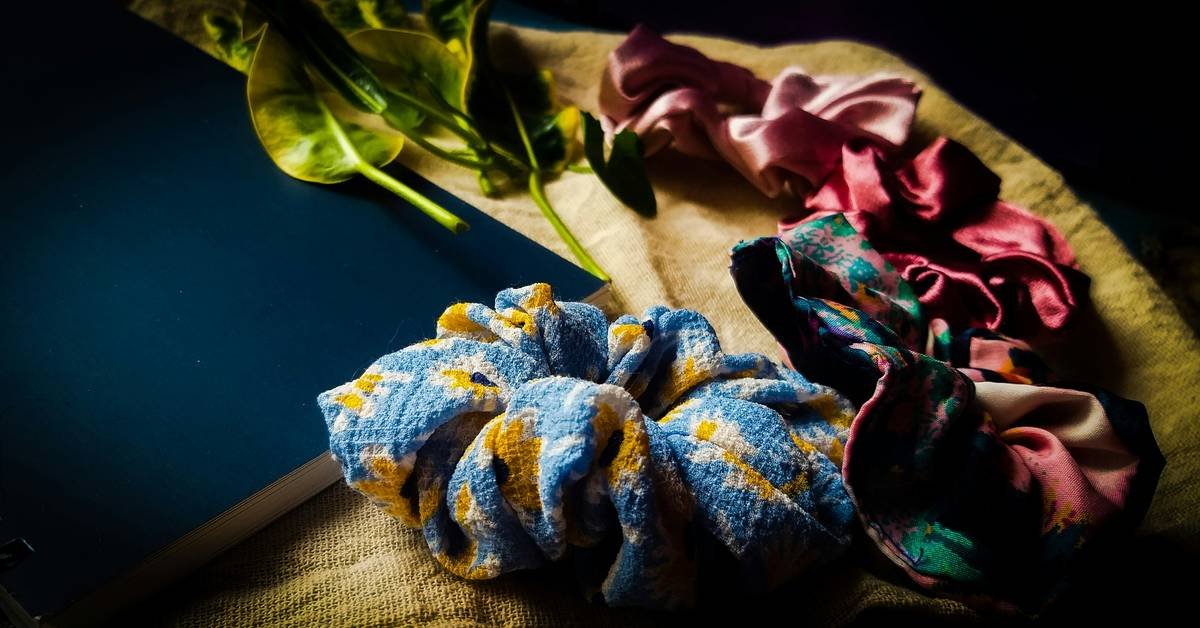
| Feature | Basic Elastic Band | Fashion Scrunchie | High-Intensity Hair Band |
|---|---|---|---|
| Material | Cotton + spandex | Satin or velvet | TPU core + moisture-wicking mesh |
| Sweat Resistance | Absorbs moisture → slips | Ignores sweat → slides off | Sheds sweat → maintains grip |
| Durability (Avg. Lifespan) | 3–5 workouts | 1–2 workouts | 50+ workouts |
| Scalp Pressure | Uneven, digs in | Loose, inconsistent | Distributed, non-compressive |
The Industry Secret: What Top Coaches Won’t Tell You
Elite trainers don’t just recommend high-intensity hair bands for convenience—they mandate them for biomechanical efficiency. Here’s why: unsecured hair shifts your center of mass slightly during dynamic movements. In Olympic lifting or competitive CrossFit, that millimeter of sway can alter bar path, reduce power output, or increase injury risk.
But—and this is rarely discussed—the biggest advantage is psychological. When your hair stays put, your focus stays sharp. No mental bandwidth wasted on “Is my ponytail falling?” That split-second clarity compounds over rounds. Pros know: distraction is the silent PR killer.
Frequently Asked Questions
Do high-intensity hair bands work for thick or curly hair?
Absolutely. Their wide design and adaptive tension accommodate dense textures without pulling. Look for models with dual-core construction for extra hold on coily or voluminous styles.
Can they cause hair breakage?
Poorly designed bands do. But true high-intensity hair bands use seamless edges and uniform pressure—minimizing snagging and traction alopecia. Avoid anything with metal joints or rough seams.
How often should you replace them?
Every 3–6 months with daily use. Even durable bands lose elasticity over time. If it feels looser after washing or doesn’t “snap back” fully, retire it.