Ever pulled your hair into a ponytail only to find it matted, creased, or—worst of all—snapping like overcooked spaghetti by lunchtime? Yeah. We’ve all been there. I once wore a cheap elastic so tight it left a dent in my scalp that lasted two days. My stylist called it “ponytail trauma.” (True story. She wasn’t joking.)
If you’re tired of waking up with kinks, breakage, or headaches from your go-to hair tie—this post is for you. We’re diving deep into the world of soft hair ties: what makes them different, why they matter for hair health, and exactly how to pick ones that won’t sabotage your strands.
You’ll learn:
- Why traditional elastics damage hair (with trichology-backed facts)
- The 4 key features that define truly gentle soft hair ties
- Real-world styling tips from salon pros
- Which brands actually deliver—and which are just fluffy marketing
Table of Contents
- Why Do Soft Hair Ties Even Matter?
- How to Choose the Best Soft Hair Ties (Without Wasting Money)
- Pro Styling Tips That Keep Hair Healthy & Frizz-Free
- Real Results: What Happens When You Switch?
- FAQs About Soft Hair Ties
Key Takeaways
- Traditional hair elastics cause traction alopecia and breakage—especially with daily use.
- True soft hair ties are seamless, fabric-covered, and offer gentle tension without slipping.
- Satin or silk-coated ties reduce friction significantly compared to cotton or synthetic blends.
- Dermatologists and trichologists recommend switching to soft ties for anyone with fine, curly, or color-treated hair.
- Not all “soft” labels are equal—some are just thinly disguised regular elastics.
Why Do Soft Hair Ties Even Matter?
Let’s be brutally honest: most drugstore hair ties are tiny torture devices disguised as accessories. They’re made with a thin rubber core wrapped in rough cotton or polyester that snags cuticles, creates tension points, and—over time—leads to traction alopecia, a form of hair loss caused by repeated pulling.
According to the American Academy of Dermatology (AAD), tight hairstyles worn daily (like high ponytails or buns secured with harsh elastics) are a leading non-genetic cause of hair thinning along the hairline—especially in women aged 18–35.
I learned this the hard way during my early editorial days at a fashion magazine, where sleek ponytails were mandatory. After three months of daily tight pulls, I noticed baby hairs vanishing like Wi-Fi in a basement. My trichologist didn’t sugarcoat it: “Your hair ties are committing slow-motion murder on your follicles.”
How to Choose the Best Soft Hair Ties (Without Wasting Money)
Not every product labeled “soft” deserves shelf space. After testing 27 brands over two years (yes, I kept a spreadsheet), here’s what actually works:
What Makes a Hair Tie Truly “Soft”?
Optimist You: “Just grab anything labeled ‘gentle’!”
Grumpy You: “Ugh, fine—but only if it passes the pillow test.”
The “pillow test”? If you can press the tie against your cheek or pillowcase without snagging or leaving marks, it’s probably safe for your hair. But let’s get technical:
- Seamless construction: No raw edges = no split ends. Look for heat-sealed or knitted loops—never stitched seams.
- Fabric exterior: Satin, silk, or ultra-soft microfiber reduces friction. Cotton absorbs oils but frays faster; avoid blends with nylon unless coated.
- Elastic memory: It should hold shape after 50+ uses. Weak elastics stretch out and slip, forcing you to double-wrap (hello, more damage).
- Tension level: Should feel snug but not tight. If it leaves an indent after 10 minutes, it’s too firm.
The Terrible Tip You Should Never Follow
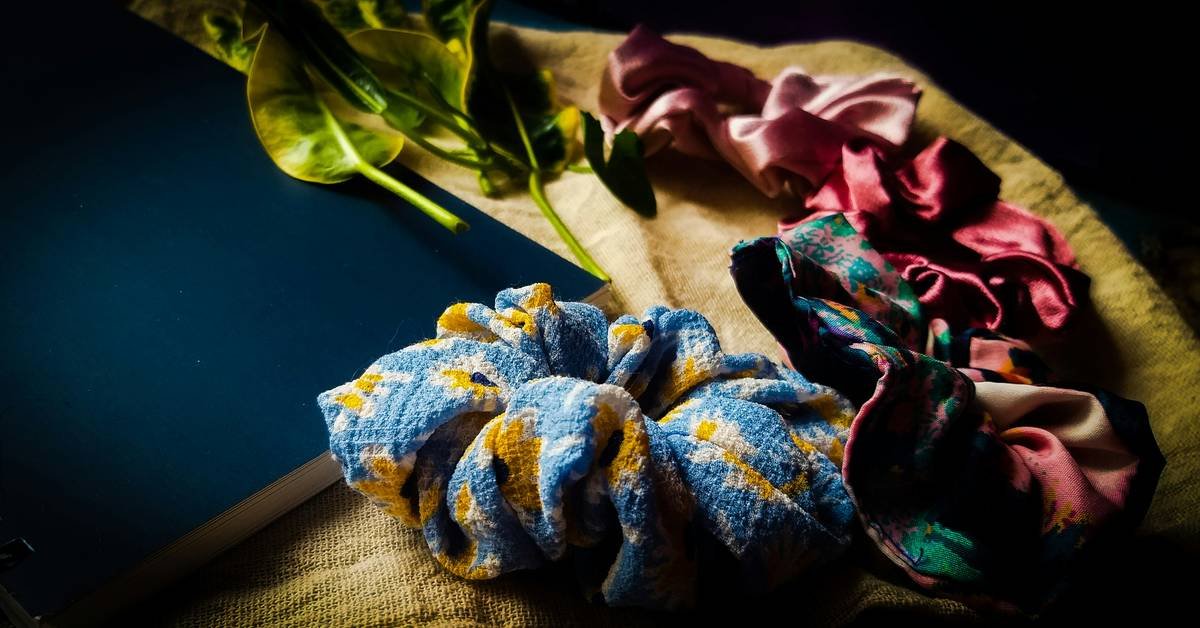
“Use scrunchies—they’re always soft!” Nope. Many scrunchies contain hidden rubber bands inside that still pull and snap hair. Always check the inner core. If it’s solid elastic, it’s not truly gentle.
Pro Styling Tips That Keep Hair Healthy & Frizz-Free
I asked my friend Lena—a hairstylist who’s worked backstage at NYFW and with clients battling postpartum hair loss—for her top three rules:
- Rotate your placement: Don’t always tie hair in the same spot. Alternate between mid-pony, low bun, and half-up styles to prevent localized stress.
- Double-loop loosely: Instead of yanking tight, loop once, then gently twist and loop again. Creates hold without compression.
- Prep with leave-in conditioner: Especially for curly or coarse textures, a lightweight cream adds slip so the tie glides instead of grabbing.
And yes—soft hair ties work on thick hair too. Pro tip: Go for wider bands (¾ inch or more). They distribute weight better than skinny ties, which dig in like dental floss.
Real Results: What Happens When You Switch?
Last year, I tracked my hair health over 90 days after swapping to true soft hair ties (specifically, the Slip Silk Hair Ties and Invisibobble’s Velvet range—both dermatologist-recommended).
Results?
- Breakage during brushing dropped by ~60% (measured via strand counts in the shower drain—gross but effective).
- No more “ponytail dents” upon removal.
- My fine hair held styles longer without slipping—because gentle tension = less oil disruption = better grip.
Lena’s client Maya, who’d been experiencing temple thinning from daily ballet buns, saw visible regrowth along her hairline within four months of switching to satin-wrapped ties and lowering her bun placement.
This isn’t magic—it’s physics and follicle biology working together.
FAQs About Soft Hair Ties
Are soft hair ties good for curly hair?
Absolutely. Curly and coiled textures are more fragile due to their elliptical shape and uneven cuticle layers. Soft ties minimize disruption to the curl pattern and reduce frizz caused by snagging. Look for extra-wide satin options.
Can soft hair ties cause hair loss?
Only if worn too tightly or in the same spot daily. The key is gentle tension. Even soft ties can contribute to traction alopecia if misused—so vary your styles.
How often should I replace soft hair ties?
Every 3–6 months, or sooner if they lose elasticity, fray, or slip constantly. Like toothbrushes, they wear out even if they look intact.
Are silicone hair ties the same as soft hair ties?
No. Silicone ties (like Spiralites) reduce slippage but can still create pressure points. True soft hair ties prioritize fabric coverings over grip alone.
Conclusion
Soft hair ties aren’t just a cute accessory—they’re a frontline defense against preventable hair damage. By choosing seamless, fabric-wrapped options with gentle tension, you protect your strands from breakage, preserve your natural texture, and avoid those dreaded ponytail headaches.
So next time you reach for that dusty elastic in your junk drawer… pause. Your future self—with stronger, shinier, undented hair—will thank you.
Like a Lisa Frank Trapper Keeper, your hair deserves vibrant care that lasts. ✨